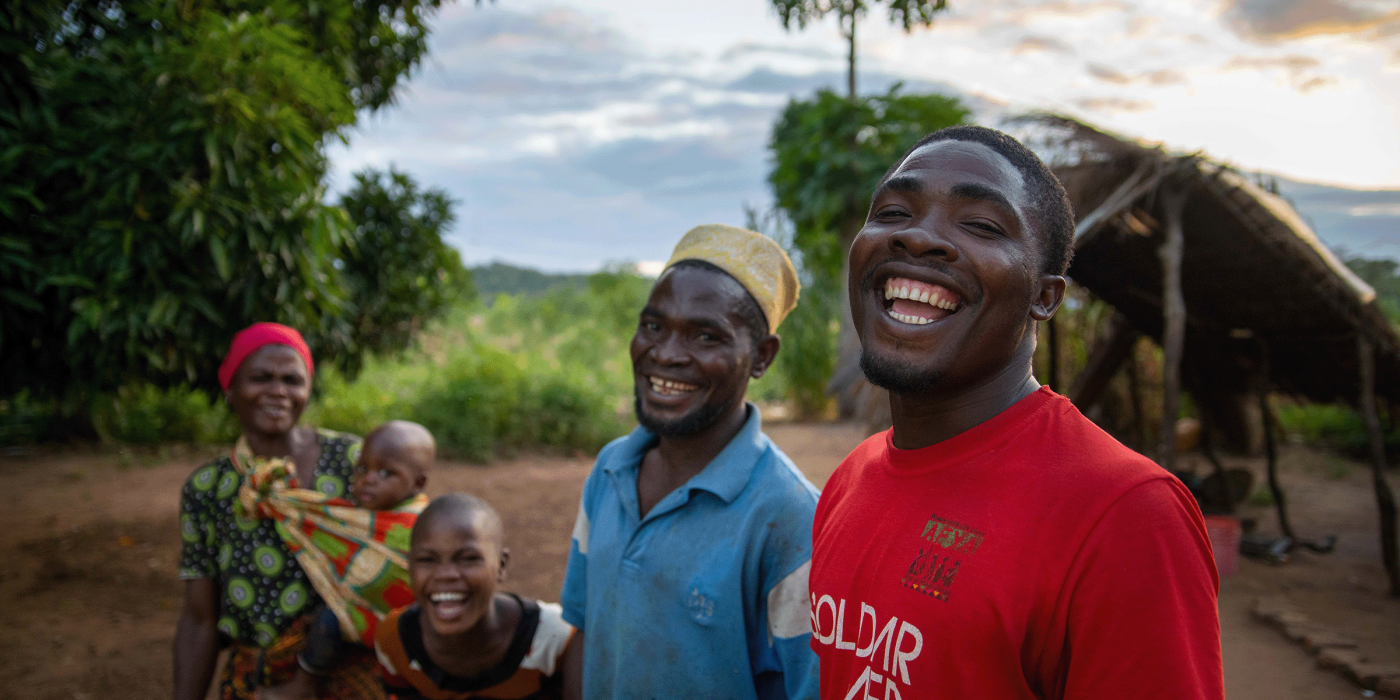
Examining and treating patients at home
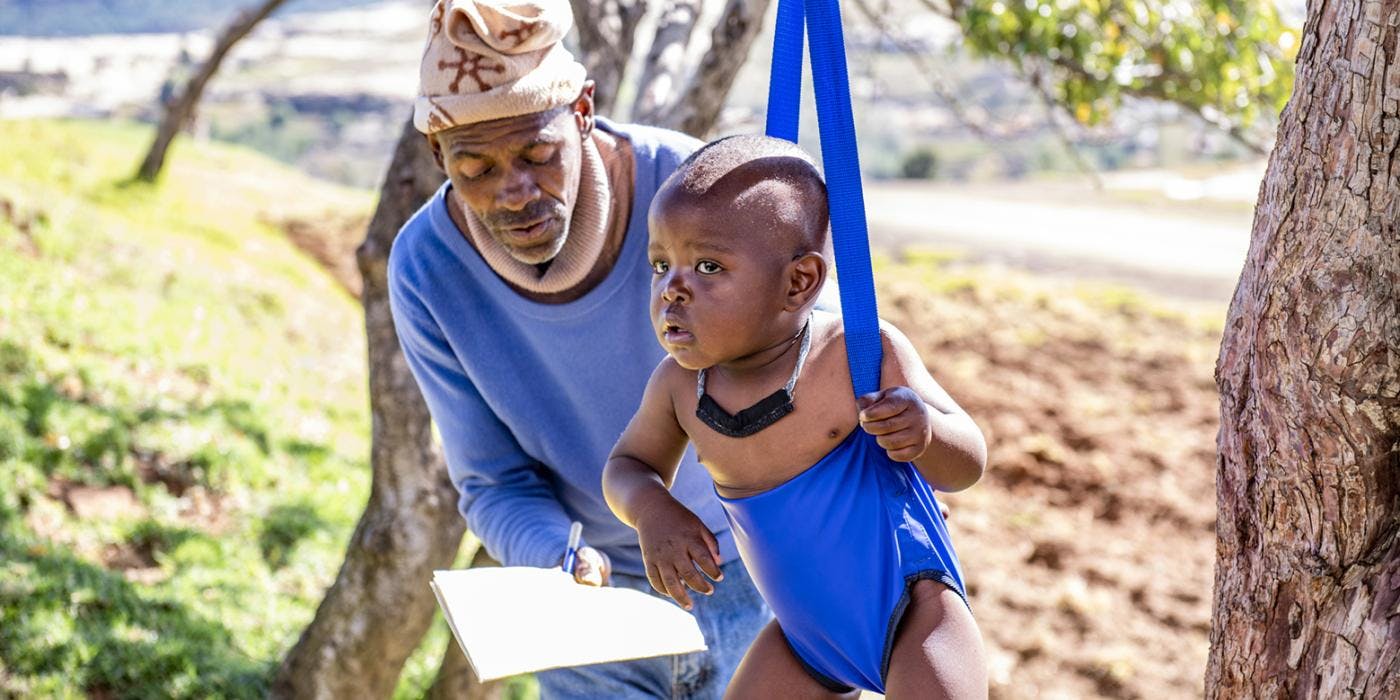
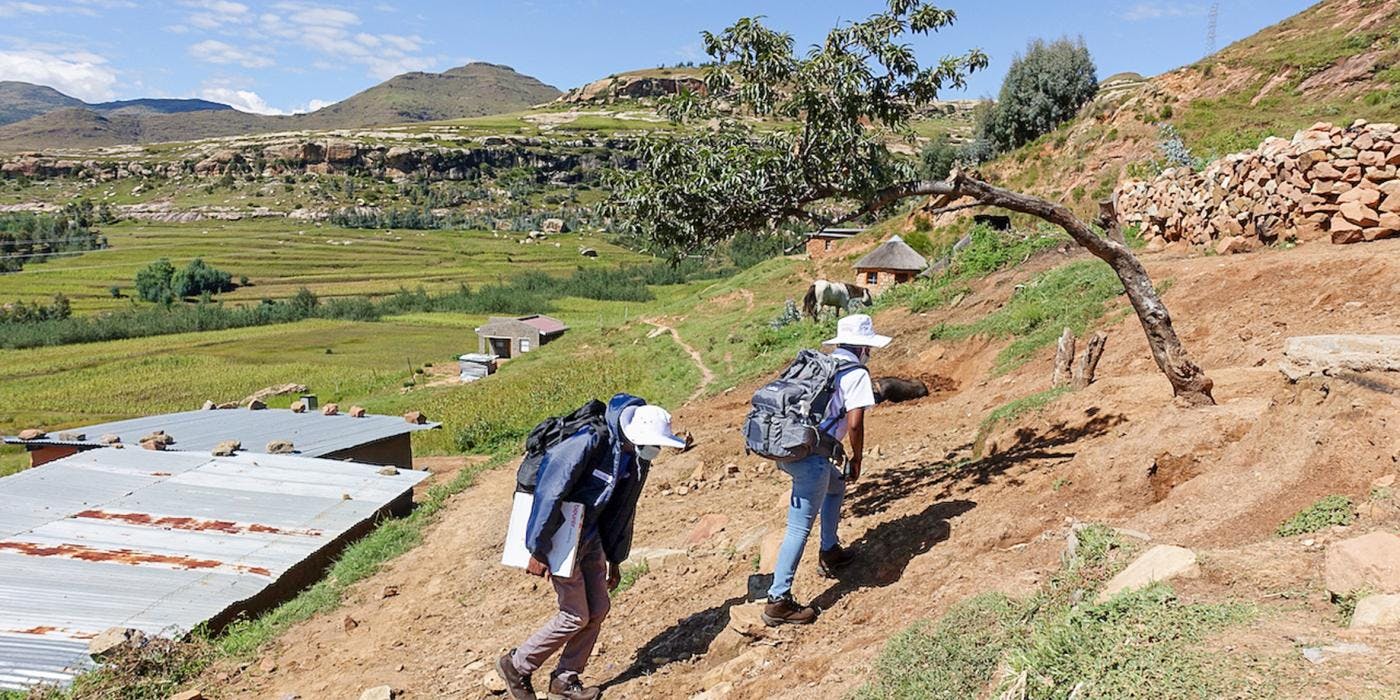
If the nearest healthcare facility is hard to access, SolidarMed trains laypeople in remote communities to become community health workers. They then visit local people, can carry out interventions such as blood pressure measurements and diabetes testing, and treat certain diseases. They are supported in their roles by healthcare professionals.
Clinic on wheels
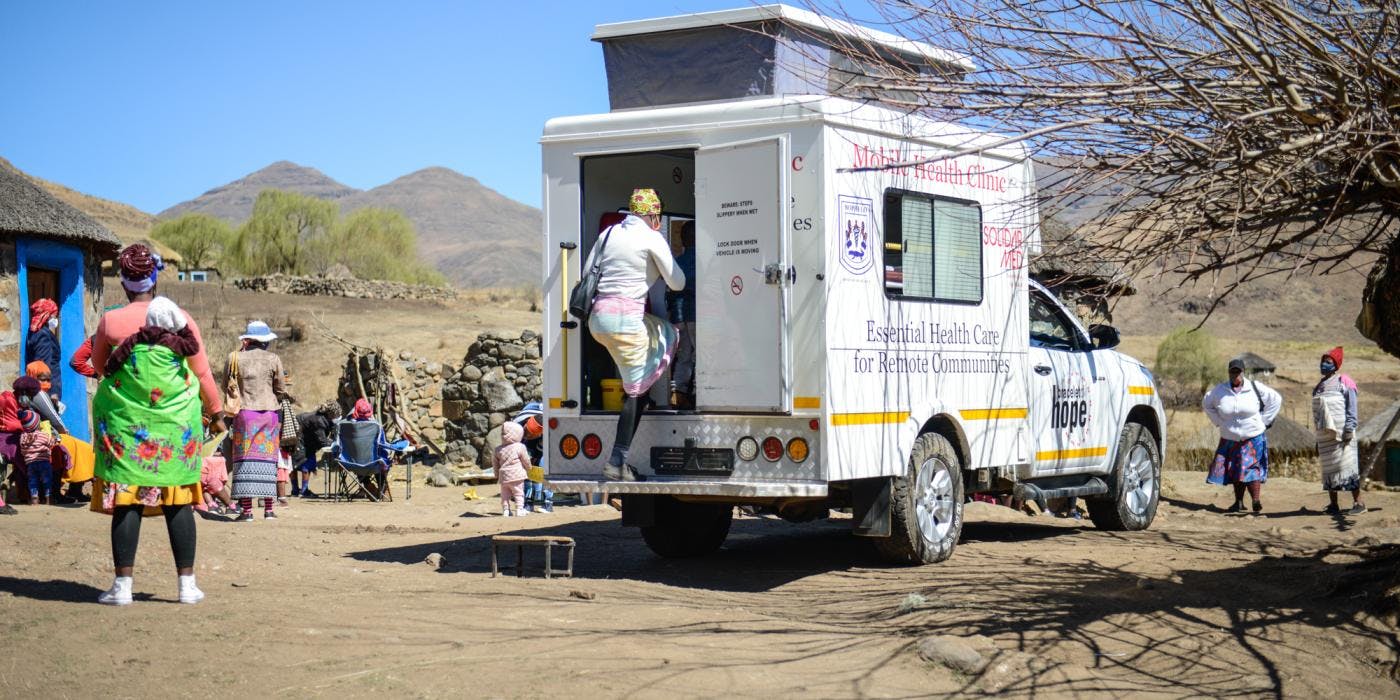
It’s not only laypeople who work with local populations. SolidarMed also visits people with its mobile clinics which are equipped to treat the most common medical problems and carry out pregnancy check-ups.
Prevention work on an equal footing
SolidarMed also raises awareness of topics such as malaria protection and cholera prevention through the community health workers who enjoy a high level of trust among villagers. For particularly sensitive health topics, such as HIV, reproductive rights and contraception, SolidarMed relies on peer educators to disseminate information within their peer group.
The mobile clinic reaches those who are particularly disadvantaged – fully in keeping with the leave no one behind principle.
Pauline Grimm, Lesotho programme manager